Post-Tension Equipment
Power-seating jacks, stressing equipment and accessories for post-tension concrete crews.
Explore Post-Tension
Shop by Sub-Category
Shop Post-Tension Equipment
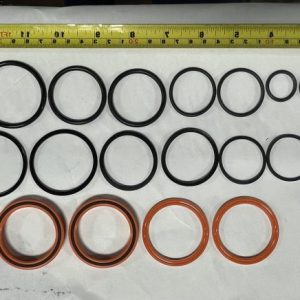
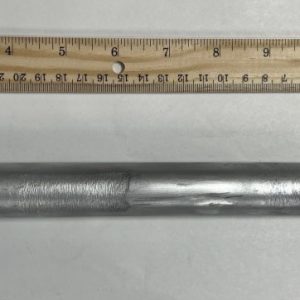
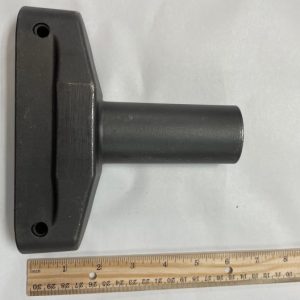
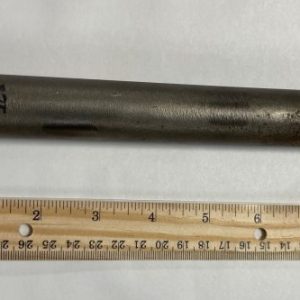
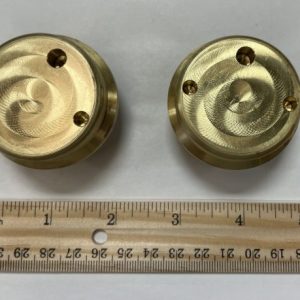
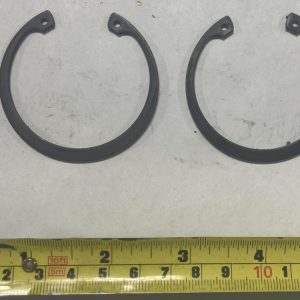
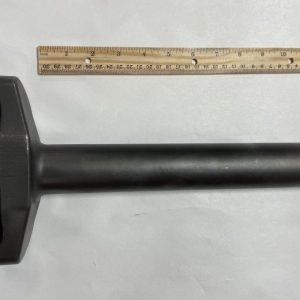
Flickinger Machine specializes in hydraulic power, including post-tensioning equipment used in construction, foundation repair, concrete fabrication, and other heavy-duty industries. Our selection of hydraulic post-tensioning jacks includes low clearance and short cable models, appropriate for tight tensioning spaces.
Reliability is the number one feature post-tensioning crews look for in their hydraulic jacks and pumps. Flickinger Machine’s post-tensioning equipment is manufactured by proven hydraulic power brands, so your operator teams work more efficiently and with fewer interruptions.
Post-Tension Jacks: Concrete Reinforcement Systems for Construction and Foundation Repair
Post-tensioning jacks are mainstays in construction and foundation repair, where they are responsible for applying tension to each strand. They are available in power seating and spring seating models, and both are built for challenging work environments where hydraulic equipment is tested by impact, dust, chemical attack, and moisture.
Our post-tension jacks are built for use in foundation repair and construction applications. These jacks are field-proven and offer the following features:
- Single or double acting models
- Solid steel body construction
- Several stroke and capacity options
- Simple design for easy service and repair
- Faster return times for better safety
- Compatibility with extended-length nose assemblies
- Compatibility with a variety of post-tensioning accessories
- Internal hydraulic fluid controls
Together, these features maximize the post-tensioning jack’s durability and reliability – and maximize your equipment investment.
Power Seating Jacks: Better Work Efficiency and Better Mobility
Power seating jacks use hydraulic force to apply tension to strands, which means greater operating efficiency and precision, compared to spring-loaded systems. During operation, power seating jacks maintain constant pressures on the strand throughout the tensioning process – unlike spring-loading systems which must release a small amount of tension from the strand as it’s drawn into the anchor pocket. The difference is reduced seating loss, as power seating jacks maintain tension on the strand even as the anchor is seated.
Power seating jacks also weigh less than spring-loaded models, improving operator teams’ mobility, safety, and efficiency. This is especially important for elevated work settings, where operator teams may be situated multiple stories up and are exposed to falling risks.
Short Cable Jacks: Designed to Tension Reduced-Length or Damaged Strand
Short cable jacks are specialized post-tensioning tools, used when the strand doesn’t have a long enough tail to accommodate a standard post-tension jack. Whether it’s due to poor installation practice, improperly sized strand, or inadvertent damage, short cable jacks are designed to grab onto these shorter tails and tension them like a standard jack.
During operation, the short cable jack’s nosepiece is inserted into the wedge cavity, where it’s brought to bear against the anchor – like with a typical post-tensioning jack.
With a standard post-tension jack, the jack sits over the strand as it applies tensioning force. With a short cable jack, though, the strand is pulled through the nosepiece using the jack’s grippers during tensioning.
Our short cable jacks are available in multiple stroke lengths to accommodate a variety of short cable situations. They are also built with the same durability features as our other post-tensioning jacks and are therefore suitable for punishing work environments.
Our post-tensioning jacks are compatible with a range of accessories and components, designed to be switched out quickly for in-the-field adjustments.
These components include the following:
Hydraulic cylinders convert fluid force from the hydraulic pump into linear force and are available in a variety of capacities. We offer a full range of hydraulic cylinders, designed for a variety of post-tensioning jacks.
Post-tensioning teams keep several types of nose pieces on hand to deal with different types of anchor pockets, some of which are narrow and tapered. We offer several nose piece lengths for any anchorage setup your crew comes up against, including curved nose pieces for accessing anchors around corners.
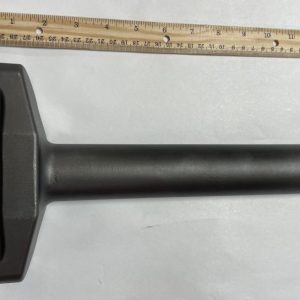
Wedge setters are hand tools used in conjunction with post-tensioning jack systems. Prior to tensioning the strand, post-tensioning crews typically tap the wedge into the pocket with a hammer or other blunt tool. This is inefficient. Hand wedge setters allow for faster wedge seating, as workers can push the anchor in with a single hand movement, speeding up the wedge setting process once the hydraulic jack is deployed.
Grippers are wedge-like tools that use their serrated metal teeth to grab onto the strand and secure it while the post-tension jack applies force. The grippers sit behind the nose piece and work with the gripper block to keep the strand aligned and properly positioned during tensioning. They are available in a few types, each designed for a different strand diameter and texture.
It is recommended that post-tensioning crews keep a healthy inventory of the above components, as they can be quickly replaced should a part wear out. Otherwise, there may be significant delays and downtime while waiting for the replacement.
Flickinger Machine Can Supply and Support Post-Tensioning Equipment
Post-tensioning jacks, pumps and cylinders are subjected to high-cycle, heavy-duty conditions that will test your equipment’s reliability. To keep your operator teams in the field and productive, consider partnering with a hydraulic power expert like the Flickinger Machine team. Our experienced team of hydraulic technicians can identify the right post-tensioning equipment for your application and provide ongoing maintenance (and the occasional repair) to maximize your company’s productivity and profitability.
If your organization requires uninterrupted reliability from its hydraulic torque wrenches, hydraulic spreaders and post-tensioning accessories, our team can supply your team with leading hydraulic equipment brands, and provide ongoing maintenance and support for your hydraulic equipment.
Frequently Asked Questions
It is not one machine. A post-tension setup is a jack and a hydraulic pump working together, plus the accessories that adapt the jack to the anchor in front of it. The pump supplies the fluid power, the jack converts it into pulling force on the strand, and the nose piece, wedges and grippers make the connection at the anchor. When crews say post-tension machine they usually mean the jack and pump pairing, and both have to be matched to the job.
A jack sized to the tendon, a hydraulic pump to drive it, and the stressing accessories that let the crew adapt without going back to the truck. That means nose pieces in more than one length, wedge setters, grippers and gripper blocks, and spare seals. Crews that carry a working inventory of accessories keep tensioning. Crews that do not stop and wait.
A power seating jack uses hydraulic force to seat the wedges, which gives more control and more precision than a spring. It also weighs less than a spring-loaded model, and that matters when the crew is working elevated or moving between pours all day. Spring seating jacks are simpler and are still the right choice for some work. The trade is control against simplicity.
Yes. We supply the pumps that drive post-tension jacks alongside the jacks themselves, and we stock the parts for both. Matching the pump to the jack matters more than most crews expect, so if you are specifying a new setup rather than replacing like for like, call and talk it through.
Yes, and the service side is a large part of what we do. We inspect, service and repair post-tension jacks, pumps and cylinders, and we stock the replacement parts to put equipment back in the field rather than leaving it on a bench. We are at 405 Nebraska in South Houston, Monday through Friday, 7:30am to 4:30pm CT. Call 832-671-0978.
Keep Exploring
Related Pages
Post-Tension Jacks
Power-seating, short-cable and dead-ender jacks for stressing post-tension cable.
Power Seating Jacks
The workhorse jacks for seating wedges and stressing post-tension cable.
Power Seating Jack Parts
Seals, wedge setters, nose bodies and replacement parts for power-seating jacks.
Short Cable Jack
A compact jack for stressing short cable tails in tight conditions.
Dead Ender Jack
Jack used to seat wedges on the dead end of a post-tension tendon.