How Post-Tension Stressing Jacks Work: A Practical Guide
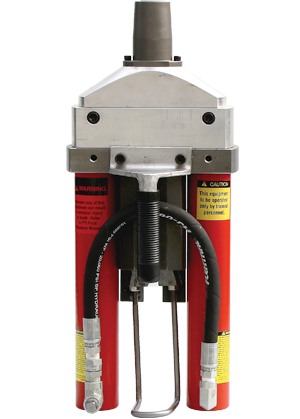
A post-tension stressing jack uses hydraulic power to tension, or stress, steel tendons after the concrete has cured. The jack grabs the strand, or tendon, and pulls it to a specified tensile force. Once the strand hits that force, wedges seated on it are drawn into the anchor pocket, locking the tendon and holding the tension in place.
That leaves the concrete in a permanent state of compression, which sharpens its resistance to deflection, cracking, and other tensile-stress damage. It’s what makes post-tensioning essential anywhere concrete carries heavy loads: commercial foundations, bridge supports, and the like.
What Does the Post-Tension Stressing Process Entail?
Post-tensioning is precision work. The process has to run the same way every time to keep the structure durable and the crew safe. Here’s how it goes, step by step:
- Verify the concrete’s strength. Before any stressing starts, your crew confirms the concrete has cured and reached full strength. Stress it too early and it can fracture during the pull.
- Inspect the tendon and anchorage. Run one final check of the tendon and anchor setup before you stress. Confirm the tendon is installed right, the anchor is seated, the stressing pocket is clean, and the correct wedges are in hand.
- Attach the stressing jack to the strand. Set the jack over the strand tail and line it up with the tendon. Good alignment is what keeps wedge seating even and your stressing measurements accurate.
- Mark the strand for measurement. Mark the strand before stressing so you can measure elongation as you go.
- Apply pressure with the hydraulic pump. Now the work starts. The hydraulic pump brings the jack up to the pressure called out on the calibration chart.
- Measure strand elongation. As you stress, measure the strand to confirm it’s elongating to calculation. If it reads outside tolerance, you may need to remeasure or re-stress.
- Seat the wedges. Once the strand is stressed, the wedges seat on it, their toothed edges biting lightly into the strand to hold.
- Release the stressing jack. With the wedges set, release the hydraulic pressure. The strand pulls into the anchor, the wedges lock into the pocket, and the tension is set for good.
Then you repeat it, tendon after tendon, until every strand is tensioned and anchored. On a big pour that can mean hundreds of stressing cycles, so your jack and pump have to be rugged enough to take that wear. You’ll also want enough wedges on hand and the occasional replacement part, grippers, for instance, to keep the job on schedule.
Flickinger Machine can put the right hydraulic jacks, pumps, and components in your crew’s hands to keep post-tensioning work moving on time.
What Are the Primary Components of a Post-Tension Stressing Setup?
Every post-tensioning job runs on the same core equipment, all of it gear we can supply:
- Hydraulic stressing jacks. These deliver the stressing force to each strand, and they come in a few varieties. Monostrand jacks handle single-strand tendons; multistrand jacks handle tendons built from several strands. You’ll see monostrand jacks on residential and light commercial work, and multistrand jacks on heavy civil and major structural jobs.
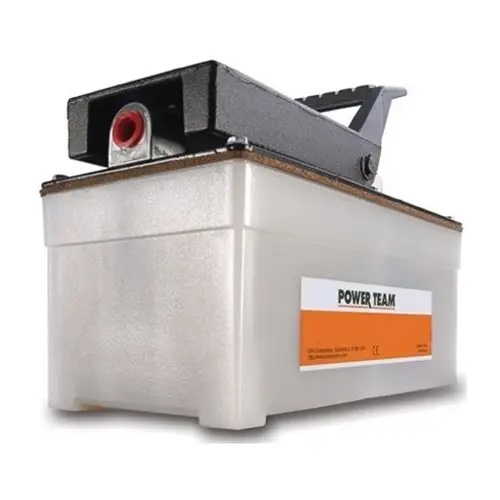
- Hydraulic pumps. The pump delivers the fluid power the jack turns into linear pulling force. It has to put out enough pressure and flow for the jack, and it has to be hardened against dust, vibration, and the rest of what the field throws at it.
- Wedges and grippers. Wedges are the toothed, split-edge pieces that seat in the anchor and lock permanently onto the strand after stressing. Grippers live inside the jack and grab the strand so it can be tensioned; they’re replaceable and should come out once they’re badly worn.
- Nose pieces. The nose piece interfaces with the anchor pocket and keeps the jack aligned with it during stressing. They swap out, and we can supply different lengths for different applications.
Our team can spec the best hydraulic jack and pump setup for how you actually work, then calibrate the system so it delivers the stressing power and precision your application demands.
What Should Post-Tensioning Crews Look for in Stressing Jacks?
Shopping for a new stressing jack? A few features and specifications are worth checking before you buy:
- Correct capacity for the tendon. Check the jack’s maximum pulling capacity, its stroke length, its required working pressure, and whether it matches the anchor system you’re running. Too small and it won’t have the muscle to stress the tendon; too large and accurate stressing gets harder.
- Compatibility with your anchors, wedges, and strand. The jack has to match your anchor style, nose-piece configuration, wedge type, strand diameter, and gripper system. Factor in the tendon tail length you need and whether there’s enough clearance around the anchor pocket.
- Good gripper condition. Grippers should be in solid shape: clean teeth, minimal wear on the gripping surfaces, the correct size, and a design that’s easy to replace.
- Adequate stroke length. The longer the stroke, the more stressing force the jack delivers per cycle. Too short and you’ll need multiple cycles to fully stress the strand, which raises the odds of stressing errors or uneven wedge seating.
- Smooth hydraulic operation. This work often happens in tight or hazardous spots, so control matters. The jack should stroke smoothly with no jerk, hold stable pressure, and run a functional pressure-relief valve. Check for damaged seals or hydraulic fluid leaks before you trust it.
As a hydraulic equipment supplier that also calibrates and services what it sells, Flickinger Machine can help your crew pick a stressing jack that checks these boxes and stands up to the durability demands of the field. Call us at 832-671-0978 to spec, calibrate, or service your post-tensioning equipment.
What Does a Post-Tension Stressing Jack Do?
A post-tension stressing jack applies hydraulic force to tension a steel tendon once the concrete has reached sufficient strength. When the target force is reached, the tendon is anchored in place, transferring compression into the concrete. That’s what increases the structural strength, durability, and load-bearing capacity of the concrete element.
How Much Force Can a Post-Tension Stressing Jack Apply?
It depends on the jack’s size and design and on the project’s specifications. Many post-tension stressing jacks apply anywhere from tens to hundreds of tons of force, letting contractors accurately tension single-strand or multi-strand tendon systems to the engineer’s requirements.
Why Is Proper Calibration Important for Post-Tension Stressing Jacks?
Regular calibration keeps the jack applying the exact force the project engineer specified. A jack that’s out of calibration can leave tendons under- or over-stressed, which can affect structural performance, safety, and compliance with construction standards. Routine inspection and calibration is what keeps stressing operations accurate and reliable.