What to Consider Before Selecting a Hydraulic Cylinder
Hydraulic cylinders are hard workers in every application they’re adapted for, providing essential linear force for lifting, load bearing or actuating purposes. This equipment is critical for many industries, including:
- Construction and foundation repair
- Aerospace
- Automotive
- Energy
- Agriculture
- Manufacturing and material handling
- Mining
- Military
When selecting a hydraulic cylinder, reliability and durability are primary concerns, but the hydraulic equipment must also be properly sized for its intended use. A hydraulic equipment expert can assist with that.
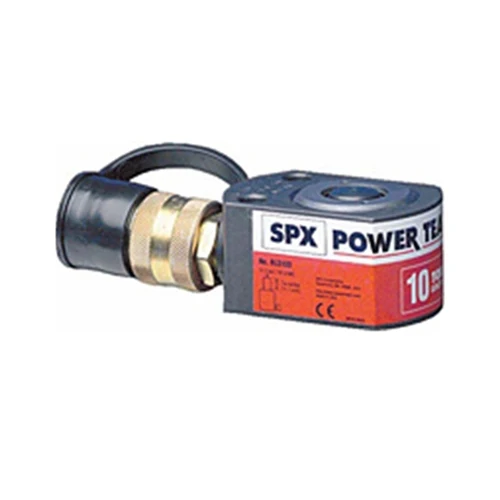
What Industries and Applications Require Hydraulic Cylinders?
Hydraulic cylinders are essential in a variety of heavy-duty applications, including:
- Construction – Hydraulic cylinders are designed into bulldozers, excavators, cranes and loader trucks, as well as concrete pumping and lifting/positioning systems. Hydraulic cylinders are also a critical technology for foundation repair applications.
- Aerospace – Hydraulic cylinders are needed to actuate landing gears and systems, and to manage hangar/cargo doors. They’re also built into flight control systems, where precise control is necessary.
- Automotive – The automotive industry incorporates hydraulic cylinders into braking and suspension systems and is also needed on automotive manufacturing lines.
- Energy – The energy industry, including O&G and renewables, make widespread use of hydraulic cylinders. Specifically, they’re necessary for drilling rigs, valve actuation at power plants and in pitch, yaw and braking systems designed into wind turbines.
- Agriculture – Agricultural equipment is also designed with hydraulic cylinders. This includes harvesters, tractors, plows and loaders.
- Manufacturing and material handling – Hydraulic cylinders are vital for hydraulic presses, stamping equipment and injection molders found on assembly lines. They’re also needed for material handling equipment, like pallet jacks, conveyors and forklifts.
- Mining – Drilling rigs, hauler trucks and loaders all rely on hydraulic cylinders to function. Inside the mine, hydraulic cylinders are designed in crushers and roof support systems.
In each of these industries, hydraulic cylinders must provide excellent reliability and must be sized to the application.
What Should Companies Consider Before Selecting a Hydraulic Cylinder?
If your organization needs new hydraulic cylinders for its operations, it will need to be precisely configured for the operation. To do that, each company’s purchasers must pay attention to the following:
- How much force will the hydraulic cylinder need to output? Based on the use case, how much loading, lifting or pushing/pulling force will the hydraulic cylinder require. Make sure to leave a clearance for safety (the 80 percent rule suggests limiting the cylinder to 80 percent of its maximum capacity to prevent catastrophic failures).
- What system pressure will the hydraulic cylinder need to operate at? Hydraulic cylinder sizing and system pressures are tightly linked and must account for pressure spikes and relief valve settings. Higher pressures allow for smaller cylinders but elevate sealing and fatigue concerns.
- How much will the hydraulic cylinder need to stroke? Hydraulic cylinders stroke at different lengths, and clearance may be an important consideration for your application, especially if it involves tight enclosures or difficult access. Examples include foundation repair or installation or wind turbine nacelles.
- How will the hydraulic cylinder be mounted? Mounting directly affects how loading stresses are distributed across the cylinder. Whether it’s a clevis, flange or trunnion mount, it cannot introduce bending forces into the hydraulic cylinder as it strokes along the load path.
- How often will the hydraulic cylinder need to cycle? The faster the hydraulic cylinder cycles, the better fortified it must be against wear, heat and dust.
- What kind of environmental conditions will the hydraulic cylinder be exposed to? Where will your hydraulic cylinder do its job? Will it be exposed to constant environmental dust and moisture? Are flammable gases expected? Is vibration constant? The job will require a hydraulic cylinder hardened and certified against these hazards, if so.
- How critical will the hydraulic cylinder application be? Will the hydraulic cylinder be integrated into a fleet of heavy machinery, where a technical failure wouldn’t halt your operations? Or will it be used in a can’t-fail application like a safety braking system?
Whether the hydraulic cylinder application is considered critical or not, consistent expert maintenance will significantly extend the equipment’s life and reduce ongoing costs.
How Can a Hydraulic Equipment Expert Support a Company’s Hydraulic Cylinder Assets?
Given the reduced availability for hydraulic components and expertise, many organizations now partner with experienced hydraulic experts for their equipment needs. Here’s why more companies should also consider an expert partnership:
- Improved access to hydraulic cylinder maintenance – By partnering with a hydraulic equipment expert, the organization will have expedited access to maintenance. Some companies elect to keep a technician on retainer to ensure rapid repairs if a hydraulic cylinder or other piece of equipment sustains a failure. That means minimal downtime, maximum performance and optimal value.
- Improved access to replacement parts – With supply chains stressed to a degree, hydraulic maintenance and repairs are increasingly bottlenecked by limited access to replacement parts. By partnering with a hydraulic expert, these industries have priority access to the components the hydraulic cylinders need for maintenance and repair purposes.
- Better hydraulic cylinder (and system) configuration – An improperly sized, configured or treated hydraulic cylinder is an efficiency or safety risk. And once installed, removing a wrong-sized hydraulic cylinder will cost the organization more. By partnering with a hydraulic equipment expert, the right hydraulic cylinder model and configuration will be provided right out of the box.
- Extended hydraulic equipment life span and improved performance – Ultimately, a properly sized and configured hydraulic cylinder will perform better and last longer. If the hydraulic equipment expert can deliver both, the organization will save money and optimize productivity in the long run.
When a Hydraulic Cylinder is Needed, We Can Supply the Best Option for the Job
Hydraulic cylinders do the work in any application they’re adapted for. Whether the industry is construction, energy, agriculture, aerospace, automotive or something else, hydraulic cylinders are an effective piece of equipment to keep jobsites productive.
To extract optimal value from a company’s hydraulic cylinder assets, they must be properly sized and configured. A hydraulic equipment expert like Flickinger Machine can ensure the new hydraulic cylinder is perfectly matched to the application for optimal results in the field.
Frequently Asked Questions
Construction and foundation repair, aerospace, automotive, energy, agriculture, manufacturing and material handling, mining and military applications all rely on hydraulic cylinders for lifting, load bearing or actuating.
Start with how much force the cylinder needs to output, then work through bore and rod size, stroke length, operating pressure rating and mounting style. Reliability and durability are priorities in every case.
Stroke length has to be matched to the application’s space and linear distance requirements. Too little stroke caps the cylinder’s performance, and too much stroke increases the risk of rod deflection.
An expert partner improves access to hydraulic cylinder maintenance and to replacement components, and brings the knowledge to match the right cylinder to the job in the first place.