
Hydraulic Pumps For Sale, Service & Repair
Hand, air, electric, cordless, gas and foot pumps: the reliable lifting power foundation and construction crews depend on.
Explore Hydraulic Pumps
Shop by Sub-Category
Shop Hydraulic Pumps
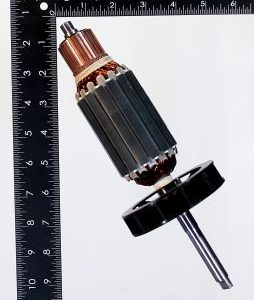
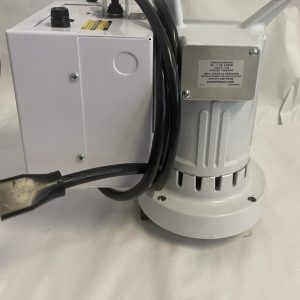
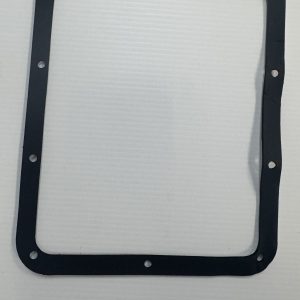

Foundation Repair Pumps
Hydraulic Pumps For Foundation Repair Lifting Power
Hydraulic pumps are a critical tool in foundation repair, literally responsible for doing the heavy lifting. There are multiple ways to fix a foundation and hydraulic pumps feature in all of them. That means foundation repair companies need hydraulic pump technology they can rely on. That’s where Flickinger’s expertise can help. We’re experts in hydraulic pump service and repair, including hydraulic pumps used for foundation repair.
A Few Features To Look For In Foundation Repair Hydraulic Pumps
Foundation repair is a labor-intensive, delicate process, so you’ll want a hydraulic pump that’s designed for the job. Here’s what to look for:
Product Certification
Hydraulic pumps are available that come certified by reputable resting agencies. One such agency is the Canadian Standards Association, or CSA. A CSA-approved model is one that has been tested by CSA for performance and safety, so it comes recommended by the experts.
Two-Stage Pump Operation
Two-stage pumps are preferred over single-stage pumps in many applications, including foundation repair. That’s because two-stage pumps offer several advantages. For example, two-stage pumps can operate in parallel for better volume or switch into a higher-pressure mode when needed. Two-stage pumps also last longer and come with added cost efficiency, as a result.
Universal Motor Design
Universal motors are economical and smaller than other types of motors, so they’re a good choice for applications where the motor will be carried around a bit. Universal motors can run on AC power.
Breather and Filler Caps with Filters
You’ll want a hydraulic pump that keeps contaminants away from wearing surfaces. You’ll also want a hydraulic pump that can protect itself from air seeping into the system. Filtered breather and filler caps do both. As hydraulic fluid is pulled in, filters remove particles and allow air to escape if fluid levels change during operation.
A Liquid-Filled Pressure Gauge
A liquid-filled pressure gauge allows for easy pressure readings even when conditions are not ideal. Foundation repair is loud, heavy work that involves a lot of vibrations. A liquid-filled gauge maintains stability even when subjected to vibration, so you can still read it easily. Liquid-filled gauges tend to last longer, too, as the additional lubrication reduces wear.
A Nifty Carrying Handle
You’ll be carrying around your foundation repair hydraulic pumps a lot, and a carrying handle makes this process much easier.
How Are Hydraulic Pumps Used In Foundation Repair?
Hydraulic pumps are responsible for inputting the energy needed to lift and stabilize a damaged foundation. How exactly that energy is applied depends on the foundation repair method. Here’s a closer look:
Concrete or Steel Piering
Piering is a primary means of foundation repair, using metal or concrete supports to bear the foundation’s weight and push it back in place. To get those piers in place, holes are dug around the foundation and inserted under it.
Once in place, jacks and hydraulic cylinders are temporarily installed at the top of these piers. A hydraulic pump delivers pressurized fluid to the cylinders, which convert this fluid energy into linear lifting force. The cylinders lift the piers into position and when the foundation is leveled out, the piers are capped at the top and ready to bear weight for many decades.
Slabjacking (or mudjacking)
Slabjacking is an economical and faster alternative to concrete or steel piering. During slabjacking, a series of small holes (2” or less in diameter) are drilled into settled pieces of the foundation slab. Once the holes are drilled, a grout-like mixture is pumped through the holes and under the foundation.
Hydraulic pumps are responsible for pumping this material beneath the foundation. When all pieces of the slab have been lifted to the desired height, the holes and any gaps in the foundation are filled with a concrete mixture.
How Does A Hydraulic Pump Work?
Gear Pumps
During operation, gear pumps spin a pair of gears that create a vacuum at the inlet, “pulling” in fluid as a result. This fluid circulates around the gears, trapped between the housing and gear teeth. The fluid exits out opposite the inlet. The gears’ orientation is such that a perfect seal is maintained during operation.
Axial Piston Pumps
Axial piston pumps work by rotating a series of pistons against an offset surface, typically referred to as a swashplate. On the intake side of the rotating barrel, the swashplate is angled away from the piston barrel. This pulls the pistons away from the intake port and creates a vacuum that pulls in fluid. On the discharge side, the swashplate is angled toward the piston barrel, pushing the pistons toward the discharge port and pushing fluid out as a result.
Four Signs That Your Hydraulic Pump May Need A Repair
Hydraulic pumps operate for extended periods in rugged environments. As such, they need regular service and the occasional repair to maintain performance. Is it time for your hydraulic pump to see our team? Here’s four signs that it might be time for a hydraulic pump repair:
- It’s making a lot of noise – You’ll get used to the way your hydraulic pump sounds. If it starts sounding different, that could be a concern, especially if there’s a rattling or banging sound present.
- It’s slowing down – As pumps age and as their wearing surfaces wear down, drops in performance may occur. Eventually, some pumps slow down to the point of being rendered useless, but regular service can extend the pump’s life.
- It’s leaking (externally or internally) – Leaks will reduce pump performance and can result in catastrophic failure if not addressed. Sometimes, the leak will spring from another part of the system and not from the pump itself, but this should still be checked to protect performance.
- It’s heating up too much – If airborne contaminants jam up the pump’s filters, this will make it difficult to control heat levels inside the pump. Eventually, this excess heat will warm up the hydraulic fluid, causing system-wide degradation if not handled.
Flickinger Machine Is Your Houston Hydraulic Pump Expert
Whether you’re in need of a foundation repair pump or need to service a pump you already own, Flickinger Machine has the resources and expert knowledge to do the job. Our team is specialized in foundation repair equipment, making us the go-to professionals for hydraulic pump maintenance and repair.
How to Size a Hydraulic Pump
Choosing a hydraulic pump comes down to three numbers: how much pressure the job needs, how much fluid the pump moves per stroke or per minute, and how much oil the reservoir has to hold. Get those three right and the rest of the specification usually follows, and you can compare the full range of pump types once you know them.
Working Pressure
Nearly all of the pumps we carry are rated to 10,000 PSI, the standard working pressure for high-force lifting, pressing, bolting and pulling equipment. That rating has to match every other component in the circuit. A 10,000 PSI pump paired with a hose or coupler rated lower is limited by the weakest part, and running a system above the rating of any single component is the most common cause of sudden failure in the field. Replacement hydraulic pump parts should always carry the same rating as the pump they go into.
Displacement, or How Much Oil Moves
Displacement is the volume of fluid a pump delivers, and it determines how fast your cylinder actually moves. Manually operated pumps are rated in cubic inches per stroke. Our single-speed P55 delivers .160 cubic inches per stroke, while two-speed models cover a range: the P19 runs .076 to .305, the P59 runs .16 to .662, and the P159 spans .160 all the way to 2.6 cubic inches per stroke.
Two-speed hand pumps move a large volume at low pressure to close the gap quickly, then shift automatically to a smaller volume at high pressure once the load is engaged. That is why a two-speed pump feels dramatically faster on a long stroke even though its high-pressure output is similar.
Powered pumps are rated in cubic inches per minute instead. The PA462 air pump delivers 46 to 55 cubic inches per minute. The PG1204 gas engine pump delivers 130 to 400. The difference between those two figures is the difference between running a single cylinder on a maintenance job and running a multi-cylinder lift all day.
Reservoir Capacity
The reservoir has to hold enough oil to fill every cylinder in the circuit at full extension, plus a working margin. Undersize it and the pump starves at the top of the stroke. The PA462 carries 2.5 gallons, the PG1204 carries 5.7 gallons, and large-capacity reservoirs are available when a job runs several cylinders at once.
Single-Acting or Double-Acting
Single-acting pumps drive the cylinder out under hydraulic power and rely on a spring or the load itself to retract. Double-acting pumps power the cylinder in both directions, which is what you want when the load will not return on its own or when retraction has to be controlled. Some of our powered models, including the PB102P-0 battery pump, are single-acting two-way units with automatic dump, which speeds up cycle times on repetitive work.
Choosing a Power Source
The right pump is usually decided by the job site rather than the specification sheet. What power you have available, how portable the pump needs to be, and how many cycles you will run all point to a different answer.
Hand Pumps
Hand-operated hydraulic pumps need no power, have nothing to fail, and are light enough to carry anywhere. The right choice for occasional use, remote sites, and as a backup on a truck. Two-speed models make longer strokes practical.
Air Hydraulic Pumps
Where shop air is already available, an air-driven pump gives you powered operation with no electrical hazard and no exhaust. Common in fabrication shops, service bays and refineries where an air line is easier to reach than a receptacle.
Electric Pumps
Standard 110 and 115 volt units like the PE55TWP-BS run continuously off ordinary building power. The usual pick for benches, presses and repeat production work, and our electric pump range covers most shop applications.
Cordless and Battery Pumps
Cordless battery pumps such as the 18 volt PB102P-0 give you powered speed with no cord and no compressor. Useful for bolting and maintenance work spread across a large site.
Gas Engine Pumps
For sites with no power at all, a gas engine pump is the answer. The PG1204 delivers the highest flow in the range, which makes it the choice for lifting work running multiple cylinders outdoors.
Foot Pumps
Foot-operated pumps keep both hands free, which matters when you are positioning a load and running the pump at the same time.
Industries We Serve
Hydraulic pumps do the same job across very different work. Foundation repair crews use them for piering and slabjacking. Oilfield and refinery maintenance teams use them for bolting, flange work and pulling. Fabrication shops run them on presses and workholding. Agricultural operations use them for equipment repair and implement service. Construction and heavy equipment crews use them for lifting, pressing and recovery.
If you are not sure which pump suits your application, get in touch with our Houston team. Talking it through is usually faster than working from a specification sheet, and we also stock the replacement parts to keep the pumps you already own in service.
Frequently Asked Questions
At Flickinger Machine, 405 Nebraska in South Houston, open Monday through Friday, 7:30am to 4:30pm CT. We service and repair hydraulic pumps, including the foundation repair pumps our crews depend on, and we stock the replacement parts to put them back in service. Call 832-671-0978 to arrange a repair.
Four things to watch for. It gets noisy, especially a rattle or a bang that was not there before. It slows down as wearing surfaces wear in. It leaks, internally or externally, which drops performance and can end in catastrophic failure if it is left. Or it runs hot, usually because contaminants have jammed the filters, and that heat then degrades the fluid across the whole system. Any one of them is worth a call before it becomes a failure in the field.
It comes down to three numbers: how much pressure the job needs, how much fluid the pump moves per stroke or per minute, and how much oil the reservoir has to hold. Get those right and the rest of the specification usually follows. Remember that every component in the circuit has to carry the same pressure rating, and replacement parts should always match the rating of the pump they go into.
The job site usually decides, not the spec sheet. Hand pumps need no power and go anywhere, which makes them right for occasional use, remote sites and as a truck backup. Air pumps suit shops and refineries where an air line is easier to reach than a receptacle, with no electrical hazard and no exhaust. Electric pumps run continuously off ordinary building power for benches, presses and repeat production. Cordless battery pumps give powered speed with no cord or compressor across a large site. Gas engine pumps deliver the highest flow for outdoor sites with no power at all. Foot pumps keep both hands free while you position a load.
A single-speed pump delivers the same volume per stroke throughout. A two-speed pump moves a large volume at low pressure to close the gap between the cylinder and the load quickly, then shifts automatically to a smaller volume at high pressure once the load is engaged. High pressure output ends up similar, but a two-speed pump feels dramatically faster on a long stroke because you are not hand-pumping the whole approach at working volume.
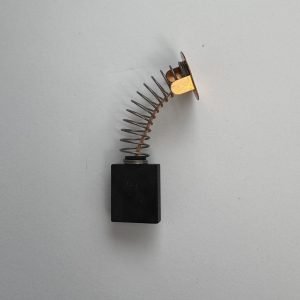
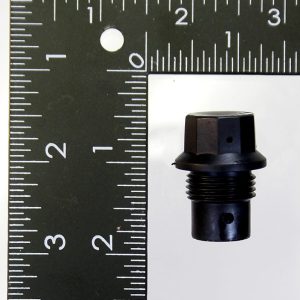
Yes. We stock replacement parts for the pumps we carry, from brushes, armatures and motors through to tank gaskets, filler breather caps and reservoirs. Replacement parts should always carry the same pressure rating as the pump they go into, since the lowest rated component in the circuit sets the limit for the whole system. If you cannot find the part number, call 832-671-0978 and we will source it.
Keep Exploring
Related Pages
Hydraulic Hand Pumps
Portable two-speed hand pumps for field service.
Air Hydraulic Pumps
Air-driven pumps that run off the shop air already on site.
Cordless Hydraulic Pumps
Battery pumps for crews working away from a power source.
Gas-Engine Hydraulic Pumps
Gas-engine pumps for remote work with no power on site.
Hydraulic Foot Pumps
Foot-operated pumps that keep both hands on the job.