Essential Hydraulic Equipment to Keep Wind Farms Productive
Wind farms are highly dependent on essential hydraulic equipment to remain productive. Hydraulic technology is integrated into critical wind turbine systems such as braking and pitch/yaw systems and is also used to maintain wind farm equipment. In short, wind farms cannot operate without hydraulic equipment and cannot maintain their productivity without it.
That includes essential hydraulic equipment like:
- Hydraulic pitch/yaw control systems (hydraulic cylinders, hydraulic accumulators, valves)
- Hydraulic braking systems (hydraulic cylinders, hydraulic lines and valves)
- Hydraulic power units
- Hydraulic filtration systems
- Hydraulic hoses and fittings
- Hydraulic bolting tools and nut splitters
Together, these essential hydraulic tools and technologies are necessary to keep those wind turbines spinning and productive.
How is Essential Hydraulic Equipment used to Keep Wind Farms Productive?
Hydraulic equipment is integrated into every process necessary for operating and maintaining a wind farm. That includes constructing wind turbines, safely running those wind turbines and maintaining them for maximum productivity.
To do so, the following hydraulic equipment is necessary:
- Hydraulic pitch/yaw control systems – Hydraulic pitch and yaw systems are designed to position wind turbines into the wind for maximum productivity. To do so, they actuate a series of hydraulic cylinders and valves to place the turbine. Pitch and yaw control systems are typically designed with hydraulic accumulators that modulate fluid pressure and ensure the system operates smoothly.
- Hydraulic braking systems – Hydraulic braking systems are a critical layer of turbine safety as they are responsible for engaging heavy duty disc brakes when necessary. They’re important to lock out the system during maintenance and to prevent catastrophic damage when the turbine experiences a fault during operation.
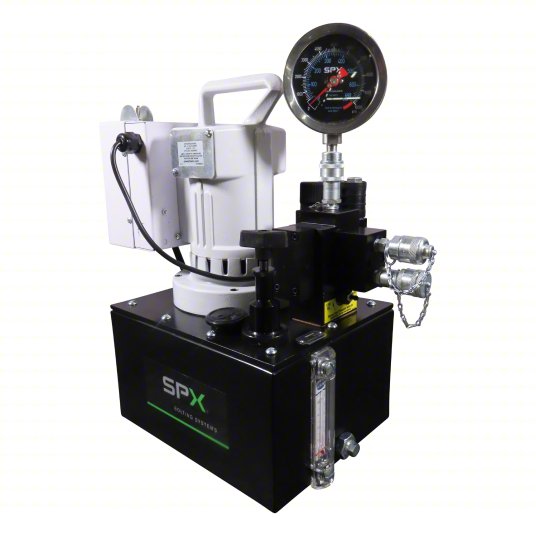
- Hydraulic power units – Every wind turbine is built with a hydraulic power unit (HPU) that delivers fluid power to the turbine’s essential components. This includes pitch/yaw control systems and braking systems. HPU’s are designed with a motor-driven hydraulic pump, a hydraulic fluid reservoir, a series of hydraulic valves and a combination of hydraulic cooling and filtration systems.
- Hydraulic filtration systems – Hydraulic filtration systems protect critical system components from the wear caused by fluid-based contamination. Some filtration systems are designed with disposable, replaceable components for ease of maintenance. Regardless of the design, hydraulic filtration systems are essential for maximizing reliability and minimizing interruptions.
- Hydraulic hoses and fittings – Hydraulic hoses and fittings serve as the turbine’s circulatory system, directing hydraulic fluid to where it’s most needed. Hydraulic hoses designed for wind turbine use must be rated for high pressures and resistant to vibration. All hydraulic fittings must be resistant to vibration as they’re responsible for forming secure seals between hydraulic components.
- Hydraulic bolting tools and nut splitters – Hydraulic bolting tools and nut splitters are essential wind turbine maintenance tools. Hydraulic bolting tools like torque wrenches are used to secure fasteners and sufficiently torque them. Nut splitters are access tools used to crack open fasteners that have been damaged or are overly worn and are therefore needed by maintenance crews to deal with tough nuts.
How Can a Hydraulic Equipment Supplier Assist Wind Farms in Maintaining Productivity?
Wind farms frequently partner with hydraulic equipment suppliers to ensure they have the tools and assets they need to maintain operations. There are several advantages to this approach, including:
- Priority access to hydraulic equipment and parts – Your hydraulic equipment supplier is the first stop for all of your wind farm’s hydraulic equipment needs. If you’re partnered with one, it will be easier to purchase new hydraulic assets and replace any equipment that breaks down or is otherwise out of commission. If your operations rely on quick equipment acquisitions, it’s worth partnering with a hydraulic supplier. Further, hydraulic equipment suppliers keep an inventory of replacement hydraulic components on hand, which means faster repairs if they involve part replacements. Reliable access to hydraulic equipment and parts is especially important in today’s supply-stressed environment, as both take longer to acquire if you don’t have a supplier partner.
- Priority access to expert hydraulic maintenance – Hydraulic equipment failures are extremely costly to wind farms. They result in lost generation costs, as well as imbalance costs and potential secondary failures due to compensatory stresses in the turbine. This adds up quickly, so avoiding extended downtime is a priority. By partnering with a hydraulic equipment supplier, you’ll have rapid access to expert maintenance, which will reduce the impact and duration of any downtime.
- Better insight into optimal hydraulic equipment solutions – Wind farms rely on a variety of hydraulic equipment solutions, and each one must be precisely calibrated for optimal productivity. A hydraulic equipment supplier can identify which hydraulic power units, hydraulic cylinders and other hydraulic tools are right for your operations. They can also calibrate them for maximum productivity from the start, ensuring no loss in productivity.
Every hydraulic equipment failure can spiral into a major hit to your operational budget, but that risk can be mitigated by partnering with an expert hydraulic technician. A hydraulic expert can provide rapid repairs and component replacement, and when it’s time to add to your hydraulic assets, your supplier will ensure they’re optimally sized and configured.
Operating a Wind Farm? Partner with a Proven Hydraulic Equipment Supplier to Protect its Productivity
Wind farms are held to tight productivity standards and that productivity is driven by reliable hydraulic equipment. That includes hydraulic cylinders and accumulators built into yaw/pitch control systems and braking systems. It includes heavy-duty hydraulic power units, hydraulic filtration systems, hydraulic hoses and fittings, and various hydraulic maintenance tools.
It takes a lot of hydraulic technology to keep a wind farm running. A hydraulic equipment supplier can deliver those critical assets for your wind farm operations and protect your facility’s productivity.
Frequently Asked Questions
Hydraulic pitch and yaw control systems, hydraulic braking systems, hydraulic power units, hydraulic filtration systems, hydraulic hoses and fittings, and hydraulic bolting tools and nut splitters. Together these keep the turbines spinning and productive.
Every wind turbine is built with a hydraulic power unit that delivers fluid power to the turbine’s essential components, including pitch and yaw control systems and braking systems. It is designed with a motor-driven hydraulic pump, a fluid reservoir, a series of hydraulic valves, and a combination of cooling and filtration systems.
Filtration systems protect critical components from the wear caused by fluid-based contamination. Some are designed with disposable, replaceable components for ease of maintenance. Either way, they are essential for maximizing reliability and minimizing interruptions.
Nut splitters are access tools used to crack open fasteners that have been damaged or are overly worn. Maintenance crews need them to deal with tough nuts that cannot be removed normally.
A supplier partnership gives you priority access to hydraulic equipment and parts, priority access to expert hydraulic maintenance, and better insight into which hydraulic solutions fit your operations. Suppliers also keep replacement components on hand, which means faster repairs when a fix involves part replacement.