Hydraulic Equipment Essential for Construction Crews
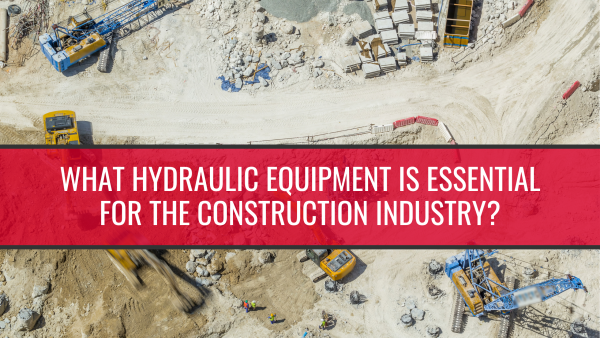
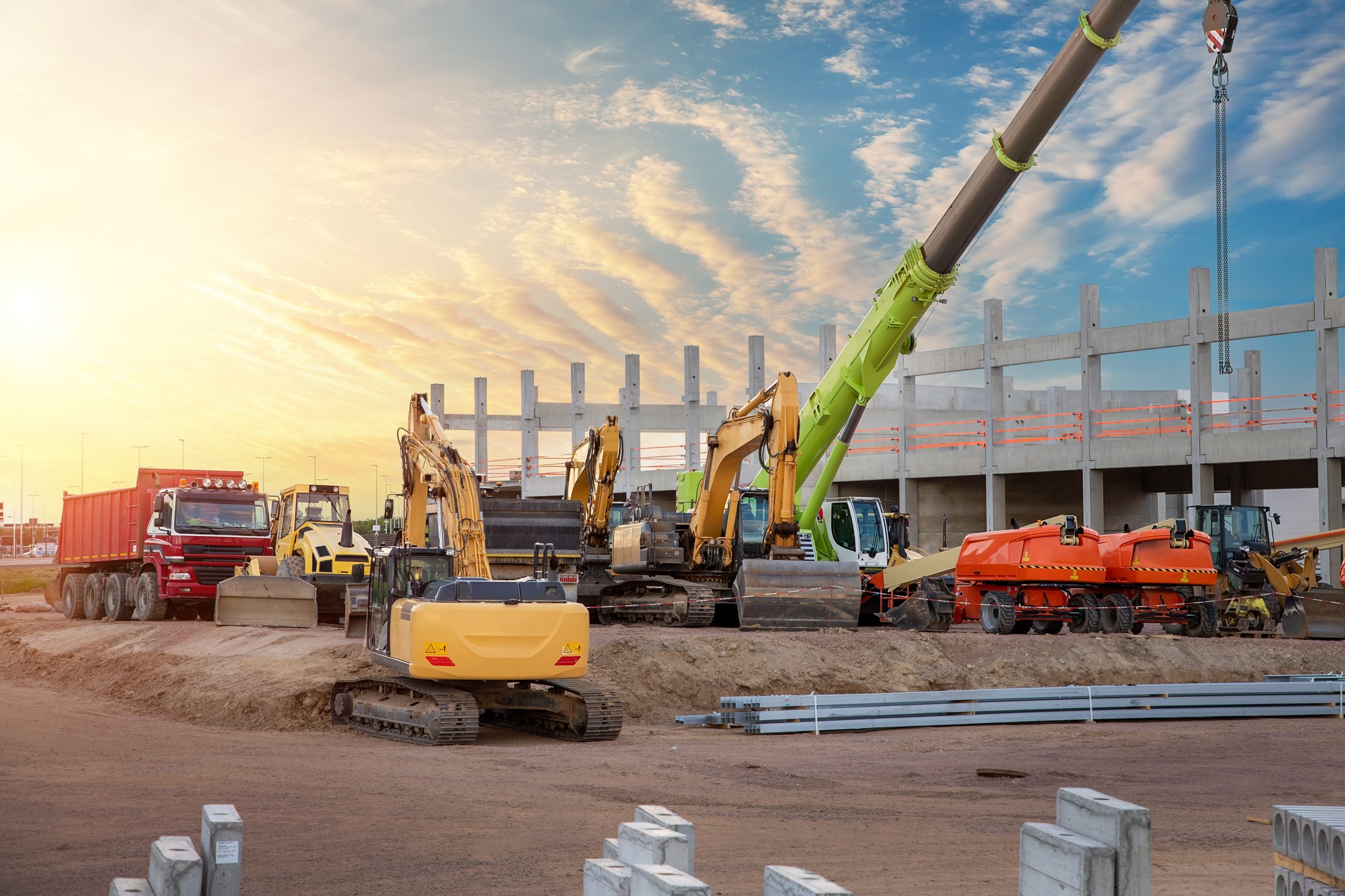
The construction industry makes extensive use of hydraulic equipment, though it’s usually integrated into larger pieces of heavy machinery. This includes:
- Excavators
- Backhoes
- Bulldozers
- Loaders
- Cranes
- Concrete pumps
- Rollers and compactors
- Skid steers
- Demolition equipment (breakers, pulverizers, shears, etc.)
You’ll see some combination of this machinery on every construction site, and in every piece of heavy machinery, hydraulic components are responsible for doing the heavy work.
What hydraulic components are used in construction equipment?
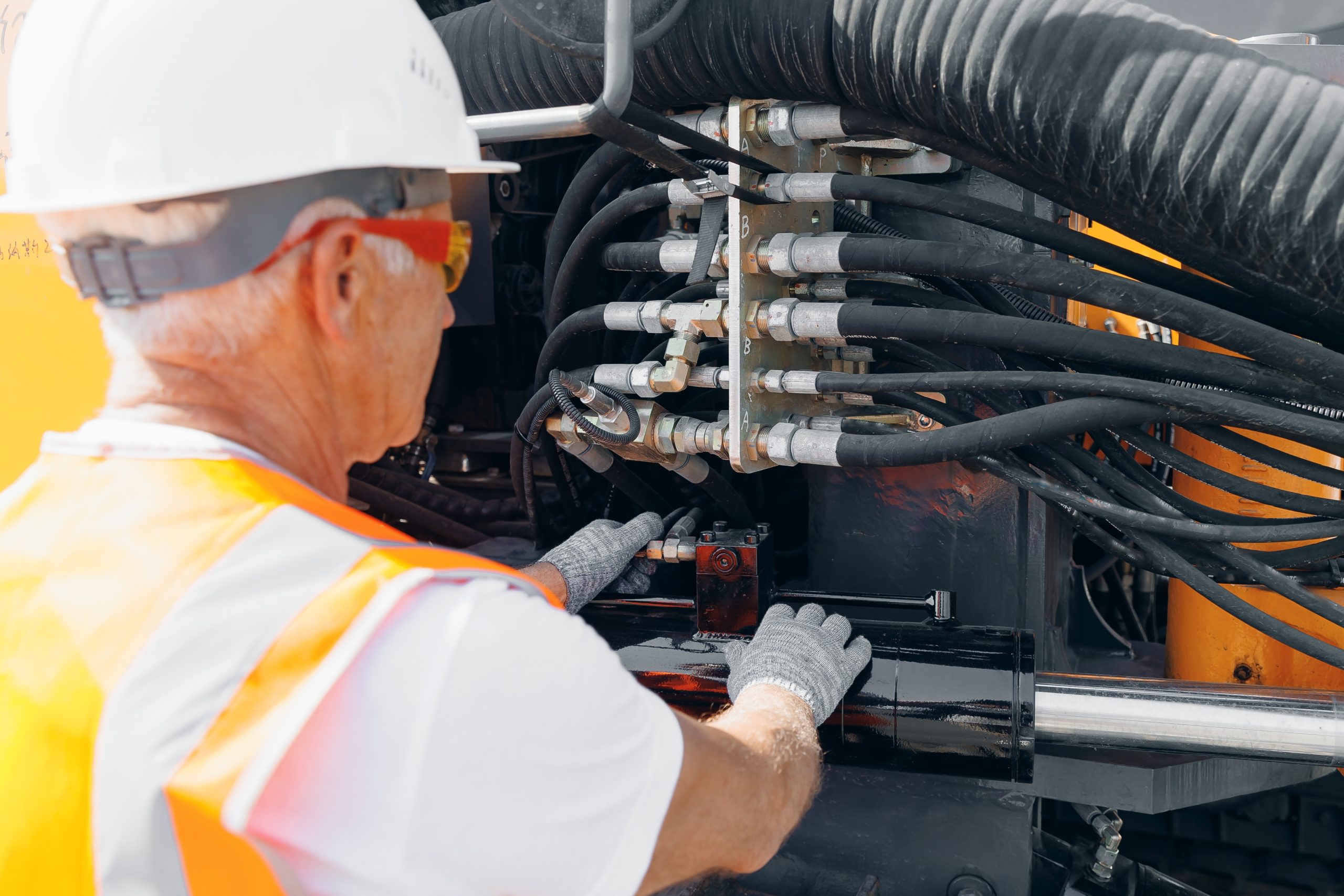
Hydraulic technology is essential for driving heavy construction equipment, providing the pushing, pulling, lifting and demolishing power. Those critical hydraulic components include:
Hydraulic power units (HPUs) – Hydraulic power units combine several hydraulic components into a single power delivery system that’s used to drive other hydraulic equipment. HPUs, for example, are needed to actuate hydraulic cylinders.
Every HPU includes a hydraulic pump, reservoir, hydraulic valves, filters and control systems. The hydraulic pump establishes flow through the system and supplies power to the motor and cylinders. The reservoir is built into the hydraulic pump and holds fluid used to drive the system. Hydraulic valves are responsible for controlling flow direction and for regulating pressure. Hydraulic filters remove microscopic contaminants from the hydraulic fluid and maintain system performance.
Most HPUs are designed as all-in-one systems that are easy to switch out when necessary.
Hydraulic cylinders – Hydraulic cylinders convert fluid power from the HPU into the lifting, pushing, pulling, steering and stabilizing force that construction equipment is known for. You’ll find them in nearly every type of construction machinery.
Hydraulic cylinders are available in single-acting and double varieties. Single-acting hydraulic cylinders are made with a simple design that reduces maintenance complexity and is easier to manage onsite (fewer connections). Single-acting hydraulic cylinders are typically used with dump truck beds, some stabilizing systems and simple lifting machinery.
Double-acting hydraulic cylinders are more complex, but provide greater control, faster operations and precise positioning. They’re far more common in construction equipment and are most often integrated into excavator booms, loader lift arms, backhoe arms, crane booms and bulldozer blades.
Hydraulic valves – Hydraulic valves allow operators to precisely manage fluid direction and pressure levels as hydraulic fluid is delivered to other hydraulic components. Hydraulic valves are available in several varieties, including pressure relief valves, flow control valves, check valves and hold valves.
Hydraulic hoses and fittings – Hydraulic hoses and fittings link hydraulic components together and transfer hydraulic fluid throughout the system. In construction settings, companies need durable hydraulic hoses that resist abrasion. This will minimize the risk of hydraulic fluid leaks and contamination.
Hydraulic filters – Hydraulic filters are essential for capturing minute amounts of hydraulic fluid contamination, and are therefore critical for protecting system performance and durability. There are several types of hydraulic filters, including pressure filters, suction filters, return-line filters and breather filters.
Most construction equipment requires all of the above to function reliably and safely. That means you’ll need to consider the entire hydraulic system when performing repairs or replacing hydraulic components.
Why should construction companies consider partnering with a hydraulic equipment supplier?
Construction companies frequently partner with hydraulic equipment suppliers to support their high-value machinery. There are several ways this arrangement can add value to your organization, including:
Better sized and calibrated hydraulic systems – A hydraulic equipment supplier can right size your hydraulic systems and ensure they are a good fit for your application. For example, construction companies tend to operate on worksites where dust, moisture and other contaminants are present. A hydraulic equipment supplier can provide HPUs, hydraulic cylinders and other hydraulic components that are hardened against this contamination, improving their reliability.

Expanded access to critical hydraulic components – Hydraulic equipment suppliers have a larger inventory of HPUs, hydraulic cylinders, hydraulic valves and other hydraulic components, compared to other vendors in the construction industry. By working through a hydraulic equipment supplier, it will be easier to source critical hydraulic components that are designed for your site development and demolition machinery.
Inventorying and priority access to replacement hydraulic parts – Hydraulic equipment suppliers maintain an inventory of replacement hydraulic parts, and they can reserve inventory for repeat clients if this is specified in an ongoing maintenance contract. Replacement parts are essential for maintenance and repairs, and your repairs may be bottlenecked if you don’t have easy access. By partnering with a hydraulic equipment supplier, construction companies can ensure they have reliable access to seals, filters, hoses, couplers, solenoids and more.
Responsive preventative maintenance – Preventative maintenance is key to maximizing reliability and minimizing downtime. It includes fluid service, leak detection and repairs, full cylinder/pump inspections and replacing worn parts. Preventative maintenance can be provided with a maintenance contract once you’re partnered with a hydraulic equipment supplier.
Faster hydraulic equipment repairs – A maintenance contract through a hydraulic equipment supplier can also accelerate repairs following an equipment failure. Downtime is expensive on construction sites, as project milestones may be pushed and other teams may need to work around the issue.
If you’re partnered with a hydraulic equipment supplier, though, you can secure a maintenance contract that guarantees rapid response times, ensuring your essential assets are quickly returned to service.
Hydraulic equipment suppliers are willing to enter into an ongoing maintenance contract that sets terms and a schedule. Construction companies benefit from the added consistency and protection from extended downtime, should a mechanical failure occur.
Construction companies need reliable hydraulic equipment, and a reliable hydraulic equipment supplier
Construction projects are springing up all over the country, but supply chains are stressed and it’s harder than ever for construction companies to keep their machinery in service. If your excavators, bulldozers, cranes or other construction machinery sustains a failure, it could be an expensive and time-costly process to bring it back online.
A hydraulic equipment supplier can protect construction companies from this outcome with a deep inventory of quality hydraulic equipment and replacement parts – and the technical expertise needed to implement both for their clients.